
Buying a new pair of sneakers is an investment in both your style and your physical comfort. To make sure you don’t end up with “buyer’s remorse,” here are the most important things to consider before you hit the checkout button:
1. Identify the Primary Purpose
Are you buying them for performance or for “the look”?
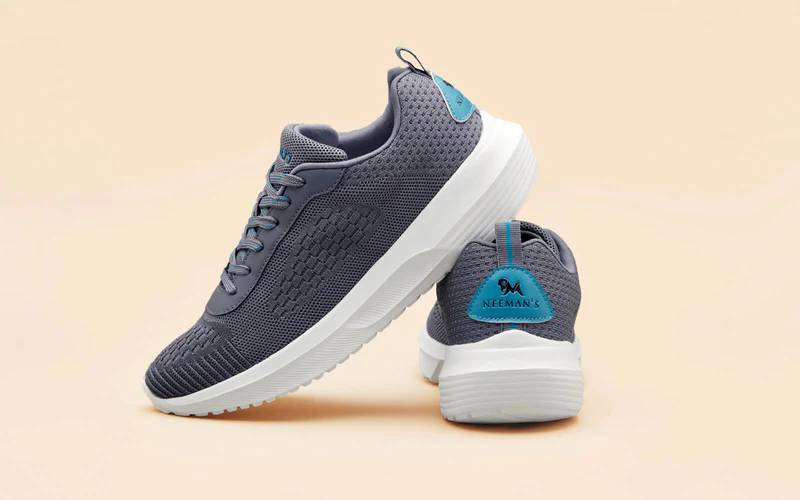
- Performance (Running/Gym): You need specific support, cushioning, and breathability.
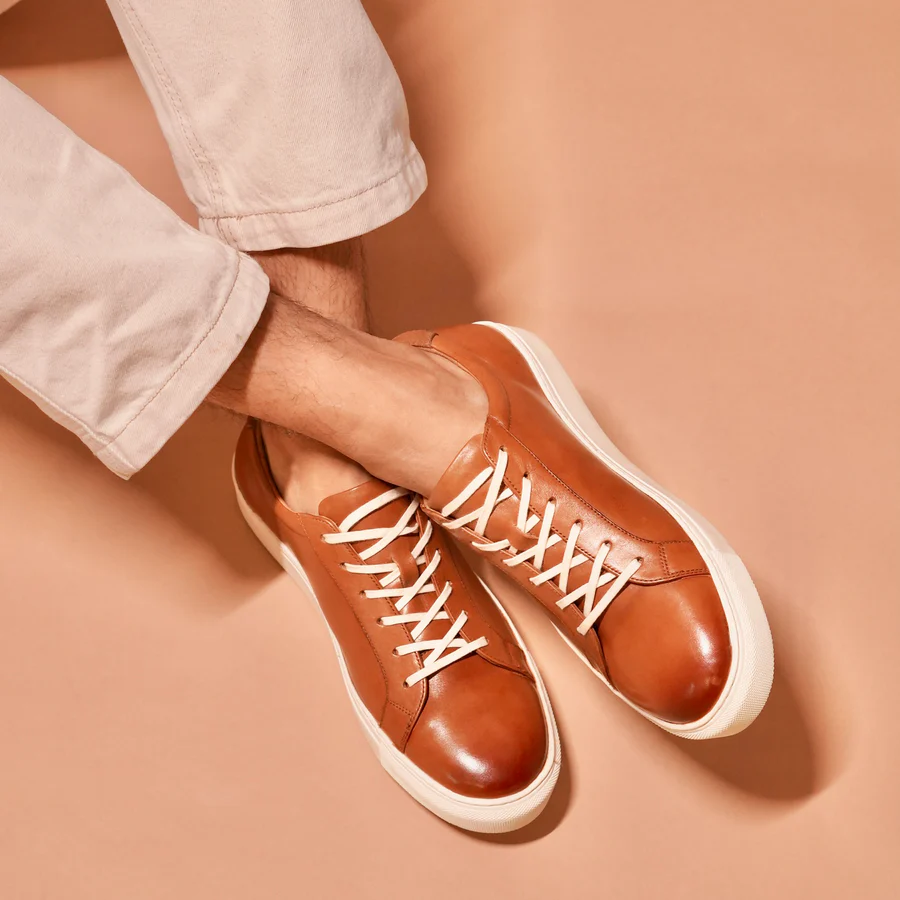
- Lifestyle (Casual/Fashion): You can prioritize materials (like leather or suede) and aesthetics over technical features.
- Sport-Specific: Basketball shoes, for example, offer more ankle support, while skate shoes have flat, grippy soles.
2. Prioritize Fit and Comfort
A sneaker might look amazing, but if it hurts, you won’t wear it.
- Know your “Brand Size”: A Size 10 in Nike might fit differently than a Size 10 in Adidas or New Balance. Always check size charts.
- The “Rule of Thumb”: There should be about a thumb’s width of space between your longest toe and the front of the shoe.
- Width Matters: If you have wide feet, look for brands known for wider toe boxes (like New Balance or Asics).
- Pro Tip: Try on shoes or measure your feet at the end of the day. Your feet naturally swell throughout the day, so this ensures a comfortable fit at all times.
3. Consider Your Current Wardrobe
Before buying a bold, bright-colored shoe, think about what you already own.
- Versatility: Neutral colors (white, black, grey, navy) will go with almost everything.
- Statement Pieces: High-contrast or neon sneakers are great, but they shouldn’t be your only pair unless you have a specific style in mind.
4. Material and Maintenance
How much work are you willing to put into keeping them clean?
- Leather: Durable and easiest to wipe clean.
- Suede/Nubuck: Looks premium but is easily ruined by rain and dirt. Requires a protector spray.
- Knit/Mesh: Very breathable and lightweight, but they stain easily and can be harder to deep clean.
5. Longevity and Quality
Check the construction of the shoe. Look at the stitching and where the sole meets the upper.
- Sole Material: Rubber outsoles generally last longer and provide better grip than foam-only soles.
- Hype vs. Value: Don’t just buy a shoe because it’s “trending.” Ensure the build quality justifies the price tag.
6. Your Budget
Sneaker prices vary wildly from $60 to $600+.
- If it’s a daily “beater” shoe, it’s worth spending a bit more for quality.
- If it’s a seasonal trend, you might look for a more affordable alternative.
Summary Checklist:
- Does it fit my specific activity?
- Is there enough room for my toes?
- Do I have at least 3 outfits this will match?
- Am I prepared to maintain this material (e.g., suede)?
- Is the price worth the quality of the build?