Footwear Ergonomics: How Sneakers Support Healthy Movement
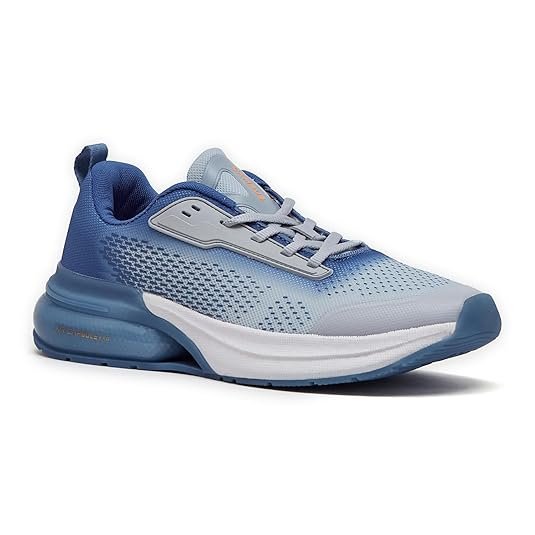
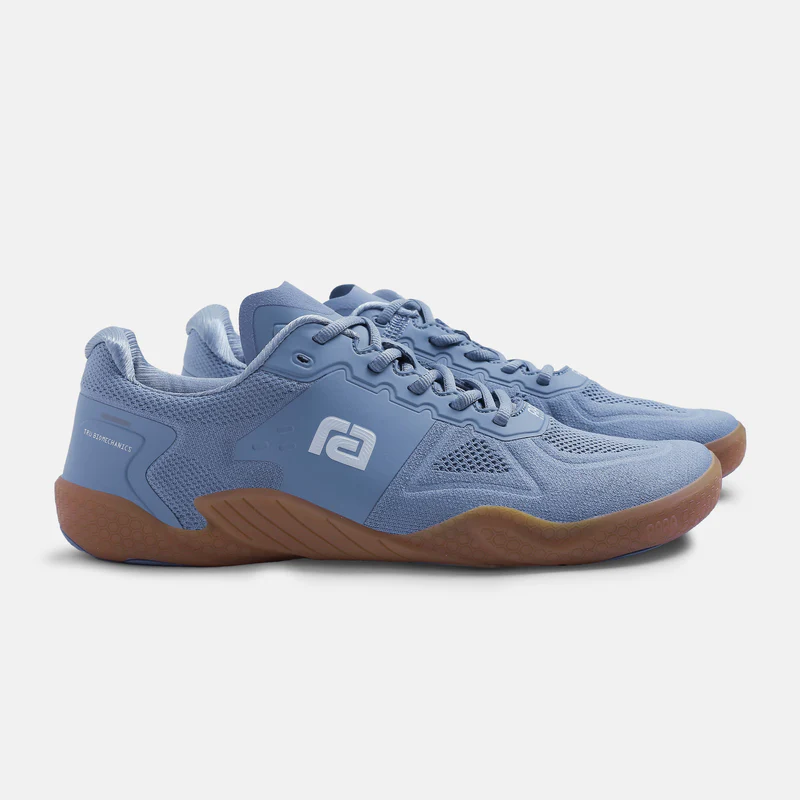
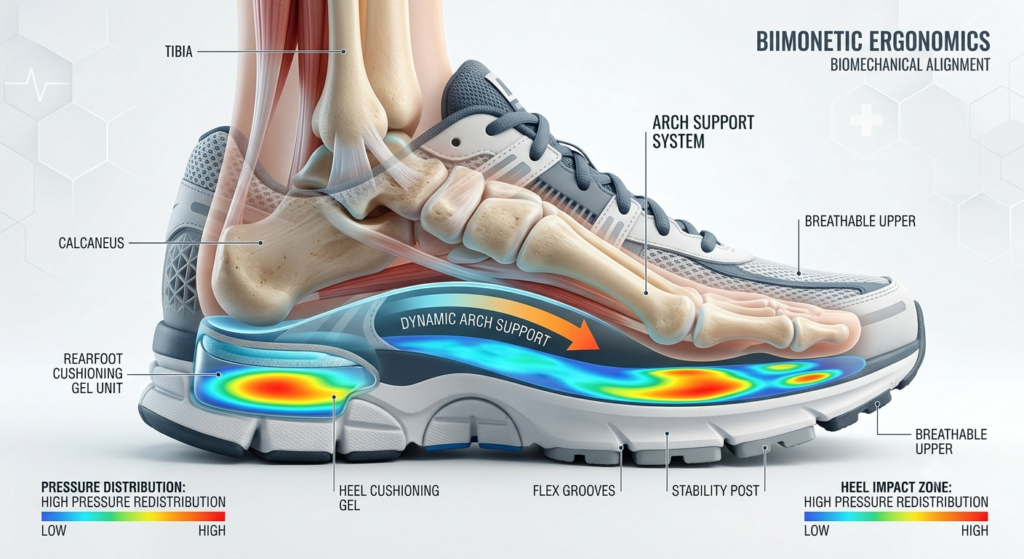
Footwear ergonomics is the study of how shoes interact with the feet, posture, movement, and the rest of the body. Sneakers are one of the most important examples because they are worn for walking, exercise, commuting, work, and everyday activities. A well-designed sneaker can improve comfort and distribute pressure more effectively, but no single shoe design is ideal for everyone. What Is Footwear Ergonomics? Footwear ergonomics combines foot anatomy, biomechanics, material science, and shoe design. Its goal is to create footwear that works with the natural movement of the foot while protecting it from excessive pressure, friction, impact, and instability. During walking, the foot absorbs force when it contacts the ground, supports body weight during the middle of the stride, and helps propel the body forward. Sneakers influence this process through several components: Ergonomic footwear should not simply feel soft. It should provide an appropriate balance between comfort, flexibility, stability, fit, and protection. Why Sneakers Are Closely Connected Sneakers are closely related to footwear ergonomics because their construction directly affects how forces travel through the feet and legs. Walking or running in sneakers involves repeated contact between the foot and the ground. The design of the shoe can alter pressure distribution, balance, muscle activity, and movement patterns. For example, a sneaker with a suitable midsole may reduce discomfort during long periods of walking. A well-shaped upper can prevent rubbing and pressure on the toes. A stable heel counter may help control unwanted heel movement. However, these features should match the individual’s foot shape and activity rather than being treated as universal solutions. Research on footwear comfort suggests that softer and more compliant materials are often perceived as more comfortable, while lower heel elevation is generally associated with greater comfort. Important Ergonomic Features 1. Arch support Arch support is designed to provide contact beneath the medial arch of the foot. In some sneakers, it is built into the insole; in others, it comes from a removable insert or orthotic. Appropriate arch support may help some people feel more stable and comfortable, especially when they have specific foot conditions or require customized footwear. It can also increase the area of contact between the foot and shoe, which may help reduce peak pressure in certain situations. However, stronger arch support is not automatically better. Excessive or poorly positioned support can feel uncomfortable and may interfere with natural foot movement. Evidence does not show that built-in arch support benefits every healthy person during ordinary walking. 2. Cushioning Cushioning is usually found in the midsole and heel. It helps manage the forces created when the foot contacts the ground, particularly during running, jumping, or walking on hard surfaces. The right amount of cushioning depends on: More cushioning does not always mean better biomechanics. Excessive softness can reduce ground feedback and stability for some users. Current research has found limited evidence that substantial cushioning provides mechanical health benefits for normal daily walking. 3. Heel cushioning The heel often receives considerable loading during walking, especially when the foot first contacts the ground. Heel cushioning can make sneakers feel more comfortable and may reduce the sensation of impact. A cushioned heel should still allow the foot to remain stable. If the heel sinks excessively into the midsole or moves from side to side, the shoe may feel unstable. A supportive heel counter and a secure fit are therefore as important as the softness of the heel pad. 4. Pressure distribution An ergonomic sneaker should help spread pressure across the sole instead of concentrating it in one small area. Pressure may become concentrated under the heel, ball of the foot, or toes when the shoe is too narrow, too stiff, poorly fitted, or unsuitable for the activity. A footwear pressure map often uses colors to show loading: A pressure map is useful for assessment, but color alone does not determine whether a shoe is healthy. Pressure levels must be interpreted alongside comfort, movement, foot structure, and the user’s symptoms. 5. Toe-box width The toe box is the front section of the sneaker. It should provide enough length and width for the toes to rest naturally without being squeezed together. A narrow toe box may contribute to: The toes should not hit the front of the shoe when walking downhill or exercising. A practical fitting approach is to leave some space beyond the longest toe and ensure that the widest part of the foot is not compressed. 6. Flexibility and stability A sneaker that is too flexible may provide insufficient support during demanding activities. A shoe that is too rigid may restrict natural movement and create discomfort. The ideal balance depends on the activity: How Sneakers Influence the Kinetic Chain The foot is connected to the ankle, knee, hip, and lower back through muscles, tendons, ligaments, and joints. This linked system is often called the kinetic chain. When a sneaker changes foot movement, it may also influence how the ankle, knee, and hip move. For example, an unstable shoe may make a person adjust their balance, while an excessively restrictive shoe may alter their stride. Occupational footwear research shows that shoe design can affect gait, posture, balance, joint movement, muscle activity, and fatigue, although the findings differ across shoe types and populations. This does not mean that every foot problem is caused by sneakers. Training load, walking habits, body weight, previous injuries, muscle strength, and recovery all matter. Footwear is one part of a broader movement system. How to Choose Ergonomic Sneakers Use the following checklist when buying sneakers: Comfort is valuable, but it should be evaluated after walking and moving in the shoes rather than only while standing in a store. Sneakers and Individual Foot Needs There is no universally perfect sneaker. A person with a high arch may prefer a different insole and cushioning profile from someone with a flatter, more flexible foot. Someone recovering from an injury may need temporary stability or a customized insert, while another healthy person may prefer a less structured shoe. A
Footwear Ergonomics: How Sneakers Support Healthy Movement Read More »